
Blog

Noticing a few brown spots on your skin can be unsettling. Sometimes they’re simply a normal sign of getting older and spending time in the sun. But not every dark spot is harmless, and some changes deserve a closer look. So, how can you tell the difference between an ordinary age spot and something that may need medical attention? Why Do Brown Spots Appear as We Age? Brown spots, often called age spots, sun spots, or solar lentigines , commonly develop as we get older. Years of exposure to ultraviolet (UV) light can cause pigment-producing cells in the skin to become more active or unevenly distributed. They most often appear on areas that receive frequent sun exposure, including: The face Hands Shoulders Arms Upper chest Age spots are generally flat, tan to brown, and relatively uniform in color. They can vary in size and may become more noticeable over time. While aging plays a role, these spots are often more closely associated with cumulative sun exposure than with age itself. When Is a Brown Spot Worth Checking? The appearance of a spot can provide important clues. A spot that has remained stable for years is generally less concerning than one that is changing. Pay particular attention to the ABCDE warning signs commonly used when evaluating possible melanoma: A — Asymmetry: One half of the spot doesn't match the other. B — Border: The edges are irregular, ragged, blurred, or poorly defined. C — Color: The spot contains multiple colors or has an unusual color, such as black, blue, red, or white. D — Diameter: The spot is larger than about 6 millimeters, although melanomas can be smaller. E — Evolving: The spot is changing in size, shape, color, or appearance. An evolving spot is particularly important to have evaluated. Other changes can also warrant attention, including a spot that repeatedly bleeds, crusts, itches, becomes painful, develops a sore that doesn't heal, or looks noticeably different from the other spots on your skin. Not Every Dark Spot Is an Age Spot Several different skin conditions can look like brown spots. Freckles, seborrheic keratoses, moles, post-inflammatory hyperpigmentation, and certain types of skin cancer can all cause changes in skin color. That's why appearance alone isn't always enough to determine what a spot is. A dermatologist can examine a suspicious area more closely, sometimes using a handheld magnifying device called a dermatoscope . If a spot looks concerning, a small sample of skin may be removed for laboratory testing. What About New Brown Spots? A new spot isn't automatically dangerous. New pigmentation can occur for many harmless reasons. However, a new or changing pigmented spot should not simply be dismissed as aging , particularly if it looks different from your other spots. A useful habit is to become familiar with your own skin. Knowing where your moles and spots are makes it easier to notice changes. Protecting Your Skin Matters Whether a brown spot is harmless or not, protecting your skin from UV exposure is an important part of skin health. Consider making sun protection part of your daily routine: Use a broad-spectrum sunscreen with SPF 30 or higher. Reapply sunscreen as directed, especially after swimming or sweating. Wear protective clothing and a wide-brimmed hat when possible. Seek shade during periods of strong sunlight. Avoid tanning beds. Sun protection won't necessarily make existing spots disappear, but it can help reduce additional UV-related skin damage and the development of new pigmentation. Should You Be Concerned? The short answer is: brown spots are common with aging, but they shouldn't automatically be assumed to be harmless. If a spot is new, changing, unusual-looking, bleeding, or otherwise concerning, it's worth having it evaluated by a healthcare professional or dermatologist. When it comes to possible skin cancer, early evaluation can make an important difference. And if you're simply unsure about a spot, that's a good enough reason to ask. You don't need to wait until a spot becomes obviously concerning before having it checked. Your skin changes throughout life. Knowing what is normal for you—and recognizing when something is different—is one of the best ways to protect your skin health. So, stop wondering! Schedule your consultation with Skin Dermatology and Cosmetic Services . Dr. Wheeler and his team are deeply committed to providing compassionate, personalized care and ensuring every patient receives an accurate diagnosis and the most appropriate treatment for their individual needs. Call us today at 386-256-1969 !

Skin cancer is the most common type of cancer, but when detected early, it is often highly treatable. Knowing the different types of skin cancer—and recognizing their warning signs—can help you seek treatment sooner and protect your long-term health. The three main types of skin cancer are basal cell carcinoma (BCC) , squamous cell carcinoma (SCC) , and melanoma . While all three develop from abnormal skin cell growth, they differ in where they begin, how they behave, and the treatment they require. What Causes Skin Cancer? Most skin cancers develop after years of exposure to ultraviolet (UV) radiation from the sun or tanning beds. UV rays damage the DNA in skin cells, and over time, this damage can cause cells to grow uncontrollably. Several factors can increase your risk, including: Frequent sun exposure A history of blistering sunburns Indoor tanning Fair skin, light-colored eyes, or blond or red hair A weakened immune system Family or personal history of skin cancer Increasing age While anyone can develop skin cancer, understanding your risk can help you take preventive steps. Basal Cell Carcinoma (BCC) Basal cell carcinoma is the most common type of skin cancer . It begins in the basal cells, which are found in the lowest layer of the epidermis. BCC usually grows slowly and rarely spreads to other parts of the body. However, if left untreated, it can continue to enlarge and damage nearby skin, muscles, cartilage, and bone. Common Signs of Basal Cell Carcinoma You may notice: A shiny or pearly bump A flesh-colored or pink growth A sore that won't heal A flat, scar-like patch A lesion that repeatedly bleeds or crusts Basal cell carcinoma most often develops on areas that receive frequent sun exposure, such as the face, ears, scalp, neck, and shoulders. Squamous Cell Carcinoma (SCC) Squamous cell carcinoma develops in the squamous cells that make up the outer layer of the skin. Although SCC is generally more aggressive than basal cell carcinoma, it is highly treatable when diagnosed early. If left untreated, it has a greater chance of spreading to nearby lymph nodes or other parts of the body. Common Signs of Squamous Cell Carcinoma Look for: A rough, scaly red patch A thickened or wart-like growth An open sore A crusted bump that continues to enlarge A lesion that becomes tender or painful Like BCC, SCC commonly appears on sun-exposed areas, including the face, scalp, ears, hands, and arms. Melanoma Melanoma is the most serious form of skin cancer because it can spread quickly if not detected early. Melanoma develops in melanocytes , the cells that produce melanin, the pigment responsible for skin color. Although it accounts for a smaller percentage of skin cancer cases, it causes the majority of skin cancer-related deaths. The good news is that melanoma is highly treatable when found in its earliest stages. Warning Signs of Melanoma Melanoma often appears as a new mole or a change in an existing mole. Dermatologists recommend using the ABCDE Rule to identify suspicious lesions: A – Asymmetry: One half doesn't match the other. B – Border: The edges are irregular, blurred, or uneven. C – Color: Multiple shades of brown, black, red, white, or blue may be present. D – Diameter: Larger than about 6 mm (roughly the size of a pencil eraser), although melanomas can be smaller. E – Evolving: The mole changes in size, shape, color, or symptoms such as itching or bleeding. Any changing mole should be evaluated promptly by a dermatologist. Which Type Is Most Dangerous? Each type of skin cancer deserves prompt medical attention, but melanoma is generally considered the most dangerous because of its ability to spread to other organs if left untreated. Basal cell carcinoma is usually the least aggressive, while squamous cell carcinoma falls somewhere in the middle, with a greater potential to spread than BCC but generally less than melanoma. Regardless of the type, early diagnosis offers the best chance for successful treatment . How Can You Protect Your Skin? Reducing your risk of skin cancer starts with practicing sun safety every day. Here are a few simple ways to protect your skin: Apply a broad-spectrum sunscreen with SPF 30 or higher daily. Reapply sunscreen every two hours when outdoors and after swimming or sweating. Wear wide-brimmed hats, UV-protective sunglasses, and protective clothing. Seek shade during peak sunlight hours, typically between 10 a.m. and 4 p.m. Avoid tanning beds. Perform monthly skin self-exams. Schedule routine skin cancer screenings with your dermatologist, especially if you're at higher risk. When Should You See a Dermatologist? Don't ignore changes in your skin. Schedule an appointment if you notice: A new or changing mole A sore that doesn't heal A spot that bleeds repeatedly A lesion that itches, hurts, or crusts Any growth that looks different from your other moles or spots Early evaluation can make a significant difference in treatment outcomes. Early Detection Can Save Lives Understanding the three main types of skin cancer empowers you to recognize potential warning signs and seek care before the disease progresses. Whether it's a slow-growing basal cell carcinoma, a more aggressive squamous cell carcinoma, or a potentially life-threatening melanoma, regular skin checks and routine dermatology visits remain your best defense. If you're due for a skin examination or have noticed a suspicious spot, schedule an appointment at Skin Dermatology and Cosmetic Services with Dr. Ross Wheeler. Detecting skin cancer early is one of the most effective ways to protect your health and preserve healthy skin for years to come. Why wait! Call us at 386-256-1969 and schedule your consultation today!

A skin cancer diagnosis can leave you with many questions, especially when it comes to choosing the right treatment. While surgery is often the standard approach for many skin cancers, it isn't the best option for everyone. Some patients may have medical conditions that make surgery more difficult, while others are concerned about scarring or treating cancers in highly visible areas such as the face. One treatment option that has gained attention in recent years is the SRT-100 Vision® , an advanced form of superficial radiation therapy designed to treat certain non-melanoma skin cancers without surgery. If you're exploring your treatment options, understanding how the SRT-100 Vision works, who may benefit from it, and what to expect during treatment can help you make a more informed decision. What Is the SRT-100 Vision®? The SRT-100 Vision is a specialized superficial radiation therapy (SRT) system used to treat certain types of non-melanoma skin cancer. It delivers low-energy X-rays that target cancer cells near the surface of the skin while minimizing exposure to the healthy tissue underneath. Unlike traditional radiation therapy used to treat cancers deeper in the body, superficial radiation therapy is designed specifically for skin conditions located close to the skin's surface.One of the unique features of the SRT-100 Vision is its use of high-frequency ultrasound imaging. This technology allows providers to visualize the skin lesion before, during, and after treatment, helping guide treatment planning and monitor the response over time. What Conditions Can the SRT-100 Vision Treat? The SRT-100 Vision is commonly used to treat certain non-melanoma skin cancers , including: Basal cell carcinoma (BCC) Squamous cell carcinoma (SCC) Squamous cell carcinoma in situ (Bowen's disease) Your Dermatologist will determine whether your skin cancer is an appropriate candidate based on its type, size, location, and depth. It's important to note that melanoma is generally not treated with superficial radiation therapy . Melanoma typically requires a different treatment approach, often involving surgical excision and, in some cases, additional therapies. How Does the SRT-100 Vision Work? The SRT-100 Vision delivers carefully controlled, low-dose radiation directly to the affected area. Radiation damages the DNA inside cancer cells, preventing them from continuing to grow and divide. Over time, the body naturally removes these damaged cells, allowing healthy tissue to heal. Because the radiation penetrates only a short distance beneath the skin, surrounding healthy tissue receives much less exposure than it would with deeper forms of radiation therapy. The addition of ultrasound imaging helps your provider measure the depth of the lesion and monitor treatment progress throughout your care. Who May Be a Good Candidate? The SRT-100 Vision may be an excellent option for patients who: Have basal cell carcinoma or squamous cell carcinoma Prefer to avoid surgery Are not good surgical candidates because of certain medical conditions Have skin cancers in cosmetically sensitive areas such as the nose, ears, eyelids, lips, or scalp Are concerned about surgical scars Have multiple skin cancers requiring treatment Every patient's situation is unique, and your Dermatologist will determine whether superficial radiation therapy is appropriate for your specific diagnosis. What Are the Benefits of the SRT-100 Vision? One of the reasons many patients are interested in the SRT-100 Vision is that it offers several potential advantages over surgery in selected cases. Non-Surgical Treatment - The SRT-100 Vision does not require incisions, stitches, or skin grafts. For patients who wish to avoid surgery or cannot safely undergo an operation, this may provide an effective alternative. Excellent Cosmetic Outcomes - Because no tissue is surgically removed, many patients experience excellent cosmetic results after treatment. This can be particularly beneficial when treating skin cancers on highly visible areas of the face. No General Anesthesia - Treatment does not require general anesthesia or sedation. Most patients remain awake and comfortable throughout each session. Minimal Downtime - Most people are able to return to their normal daily activities immediately after each appointment. There is typically no prolonged recovery period associated with treatment. Image-Guided Precision - The built-in ultrasound imaging helps providers evaluate the lesion and tailor treatment based on its size and depth, allowing for a more personalized approach. What Happens During Treatment? Before treatment begins, your Dermatologist will examine the skin cancer and may use ultrasound imaging to evaluate the lesion. Each treatment session is relatively short. During your appointment: The treatment area is positioned beneath the device. The machine delivers low-energy radiation directly to the lesion. You should not feel pain during the treatment itself. Once the session is complete, you can usually resume your normal activities. Unlike surgery, there are no stitches to care for and no surgical wound to heal. How Many Treatments Are Needed? Superficial radiation therapy is not completed in a single visit. Most patients receive a series of treatments over several weeks. The exact number of sessions depends on factors such as: The type of skin cancer The size of the lesion The depth of the lesion Its location Your individualized treatment plan Your provider will explain your recommended treatment schedule before therapy begins. Are There Side Effects? Like any medical treatment, superficial radiation therapy can cause side effects. Most reactions are limited to the treated area and may include: Mild redness Dryness Skin irritation Peeling Temporary darkening or lightening of the skin These reactions often improve after treatment is completed. Your Dermatologist will provide instructions for caring for the treated area throughout your treatment course. How Effective Is the SRT-100 Vision? Clinical studies have shown that superficial radiation therapy can be highly effective for appropriately selected cases of basal cell carcinoma and squamous cell carcinoma. Success depends on selecting the right patients and ensuring careful follow-up after treatment. Even after successful treatment, regular skin examinations remain important because individuals who have had one skin cancer have a higher risk of developing additional skin cancers in the future. Is Surgery Still the Best Option? For many patients, surgical removal—particularly Mohs surgery—remains the preferred treatment for certain skin cancers because it allows the cancer to be removed and examined immediately. However, surgery is not the best choice for every patient. Factors such as age, medical history, cancer location, cosmetic concerns, and personal preferences all play a role in determining the most appropriate treatment. Your Dermatologist can discuss the benefits and limitations of surgery, superficial radiation therapy, and other available treatments to help you make an informed decision. The SRT-100 Vision represents an innovative, non-surgical approach to treating certain types of non-melanoma skin cancer. By combining superficial radiation therapy with advanced ultrasound imaging, it allows providers to deliver precise treatment while preserving surrounding healthy tissue. For patients who are not candidates for surgery—or who simply prefer a non-invasive option—the SRT-100 Vision may offer an effective treatment with minimal downtime and excellent cosmetic results. If you've been diagnosed with basal cell carcinoma or squamous cell carcinoma, call Skin Dermatology and Cosmetic Services at 386-256-1969 and schedule a consultation to see whether the SRT-100 Vision is an appropriate option for your individual needs. Together, you can develop a treatment plan that prioritizes both your health and your quality of life!

Your skin is your body's largest organ and serves as the first line of defense against environmental damage. Yet many people overlook the importance of routine skin examinations until they notice a concerning mole, growth, or skin change. A total body skin exam is one of the most effective ways to detect skin cancer early and monitor your overall skin health. Whether you have a history of skin cancer or simply want to be proactive about your health, regular skin exams can play a critical role in prevention and early detection. What Is a Total Body Skin Exam? A total body skin exam is a comprehensive evaluation of your skin performed by a dermatologist or qualified healthcare provider. During the examination, your provider carefully inspects your skin from head to toe, including areas that may be difficult for you to see on your own, such as the scalp, back, and behind the ears. The goal is to identify any unusual moles, lesions, growths, or changes that could indicate skin cancer or other skin conditions requiring treatment. Early Detection Saves Lives One of the most important reasons to schedule a total body skin exam is the early detection of skin cancer. When detected in its earliest stages, many forms of skin cancer are highly treatable. Melanoma, the deadliest form of skin cancer, can develop quickly and spread to other parts of the body if left untreated. However, when melanoma is caught early, treatment outcomes are significantly improved. A professional skin exam can help identify suspicious spots before they become more serious health concerns. Skin Cancer Can Develop in Unexpected Places Many people assume skin cancer only develops in areas frequently exposed to the sun. While sun exposure is a major risk factor, skin cancer can appear virtually anywhere on the body. Commonly overlooked areas include: The scalp Between the toes The soles of the feet Behind the ears Under the nails The groin area The back Because these areas are difficult to examine yourself, a total body skin exam provides an added layer of protection. Not All Skin Cancers Are Easy to Spot Skin cancer does not always look like a dark mole. Some cancers may appear as: A pearly bump A non-healing sore A scaly patch A pink growth A lesion that bleeds easily A mole that changes in size, shape, or color Dermatologists are trained to recognize subtle warning signs that may not be obvious to the untrained eye. Monitoring Changes Over Time Your skin naturally changes as you age. However, some changes may indicate an underlying problem. Regular skin exams allow your dermatologist to establish a baseline and monitor moles and lesions over time. Tracking changes can help identify concerns before they become more advanced. Patients with numerous moles, atypical moles, or a history of sun damage particularly benefit from ongoing monitoring. Who Should Get a Total Body Skin Exam? While everyone can benefit from periodic skin evaluations, certain individuals may be at higher risk for skin cancer, including those who: Have a personal or family history of skin cancer Have fair skin, light eyes, or light hair Spend significant time outdoors Have a history of tanning bed use Have experienced frequent sunburns Have many moles or atypical moles Have a weakened immune system If you fall into any of these categories, your dermatologist may recommend more frequent examinations. Peace of Mind for Your Skin Health A total body skin exam is not only about detecting cancer. It can also provide reassurance about benign moles, spots, and other skin changes that may be causing concern. Knowing that your skin has been thoroughly evaluated by a professional can provide valuable peace of mind and help you feel confident about your skin health. What to Expect During Your Appointment Many patients are surprised to learn that a total body skin exam is quick, painless, and non-invasive. During the visit, your dermatologist will: Review your medical and family history Discuss any specific concerns Examine your skin from head to toe Evaluate any suspicious lesions Recommend monitoring, treatment, or biopsy if needed The entire appointment often takes only a short amount of time but can have a lasting impact on your health. The Bottom Line A total body skin exam is one of the simplest and most effective tools for protecting your skin and detecting skin cancer early. Because many skin cancers can develop without noticeable symptoms, routine examinations are an important part of preventive healthcare. By scheduling regular skin exams and paying attention to changes in your skin, you can take an active role in maintaining your health and improving the chances of early detection when treatment is most effective. So, schedule your consultation todayt at Skin Dermatology at one of our two convenient locations. Our team has a true commitment to our patients and to ensuring that each one receives an accurate medical diagnosis, and the proper treatment for their specific conditions. Call us today at 386-256-1969!

Why You Should See a Dermatologist Are you concerned about your skin's health? Do you have any moles, rashes, or other skin issues that worry you? If so, it may be time to see a dermatologist. A dermatologist is a medical professional who specializes in diagnosing and treating conditions related to the skin, hair, and nails.While many people may think of dermatologists as only necessary for severe cases of acne or psoriasis, there are many reasons why someone might want to visit one. For example: - To get an accurate diagnosis for an unusual rash or spot on their skin - To receive treatment for chronic acne that hasn't responded well to over-the-counter remedies - To discuss concerns about signs of aging on their face (such as wrinkles) - To get advice on how to protect themselves from sun damage If any of these sound like something that applies to you, then seeing a dermatologist could be beneficial. What Age Should You Start Seeing a Dermatologist? You might assume that only older adults need to see dermatologists. However, the truth is that it's never too early (or late) to start taking care of your skin. For children and teenagers with persistent acne or eczema flare-ups, visiting a dermatologist can help them manage these conditions more effectively. Additionally, young adults who are interested in anti-aging treatments such as Botox injections may benefit from consulting with a skincare specialist earlier rather than later. Skin cancer rates increase with age; catching potential problems early can save lives. Benefits of Seeing a Dermatologist Early One of the main advantages of seeing a dermatologist early is that they can help you establish good skincare habits. For example, if you're prone to acne breakouts, your dermatologist may be able to recommend a gentle cleanser and moisturizer that won't aggravate your skin. Additionally, some people are genetically predisposed to certain skin conditions (such as rosacea or psoriasis). If you know this ahead of time, you can work with your dermatologist on developing a treatment plan before symptoms start appearing. Finding the Best Dermatologists If you live in Orange City or Palm Coast (or nearby), look no further than Dr. Ross Wheeler with Skin Derm . Dr. Wheeler is a member of the Florida Society of Dermatology and Dermatologic Surgery and the American Academy of Dermatology. He also specializes in Mohs micrographic surgery and is a member of the American Society for Mohs Surgery. Overall, seeing a dermatologist is an important part of taking care of yourself. Whether you're dealing with chronic skin issues or just want advice on how best to protect yourself from sun damage, scheduling an appointment with one could make all the difference. Contact us today at 386-256-1969 . We can help you maintain the health of your skin, no matter what age!

Why mature skin needs special care As we age, our skin goes through various changes. It becomes thinner, less elastic and loses its ability to retain moisture. This can result in fine lines, wrinkles, dryness and uneven texture. To combat these signs of aging, it's important to give your skin the attention it deserves with a specialized skincare routine. The effects of aging on the skin Aging is an inevitable process that affects every part of our body including our skin. As we grow older, our bodies produce less collagen which leads to sagging and wrinkling of the skin. Additionally, environmental factors such as sun exposure and pollution can accelerate this process leading to premature aging. The importance of addressing mature skin concerns Ignoring the signs of aging can lead to more serious skincare concerns such as hyperpigmentation or age spots. By taking proactive measures early on you can help prevent these issues from developing further. Understanding the different types of skincare for mature skin There are many different types of skincare products available but not all are created equal when it comes to addressing mature skin concerns. - Avoiding harsh ingredients: It's important to avoid using harsh ingredients like alcohol or fragrances that can strip away natural oils from your already delicate matured-skin - Focusing on hydration: One critical aspect is focusing on hydration - Look out for moisturizers containing hyaluronic acid or glycerin which helps improve moisture retention in your aged-skin - Incorporating antioxidants: Antioxidants like Vitamin C & E play an essential role in reducing oxidative stress caused by free radicals found in UV radiation and pollution Why a dermatologist in Orange City, FL can help you find the best skincare for mature skin While there are many over-the-counter products that claim to address mature skin concerns, it's best to consult with a professional who specializes in skincare. If you're looking for an experienced dermatologist in Orange City, FL then look no further than Skin Derm ! Our team of experts have years of experience helping patients achieve their skincare goals. We offer state-of-the-art treatments and cutting-edge technology to ensure that our patients receive the highest quality care possible. The benefits of seeing a dermatologist A dermatologist can evaluate your unique skin type, identify any underlying issues and provide personalized recommendations based on your specific needs. They may also recommend medical treatments such as laser therapy or chemical peels which can be more effective than over-the-counter products alone. Schedule an appointment with a dermatologist in Orange City, FL to get personalized skincare recommendations Whether you're concerned about fine lines or wrinkles or simply want to improve the overall health and appearance of your skin - we're here to help! Contact us today at 386-256-1969 to schedule an appointment. Together we'll develop a customized treatment plan tailored specifically for you so that you can enjoy healthy glowing skin at any age!

Have you been wondering if there is any way to reverse the sun damage you have done to your face? We all love soaking up some sunshine, but did you know that too much sun exposure can cause serious harm to your skin? Sun damage can lead to premature aging, wrinkles, and even skin cancer. If you're starting to notice signs of sun damage on your face such as dark spots or fine lines, it's time to take action. The Dangers of Sun Damage Sun damage is caused by prolonged exposure to ultraviolet (UV) rays from the sun. These UV rays penetrate deep into the layers of our skin and can cause long-term harm. Over time, this damage accumulates and can result in: - Dark spots - Fine lines and wrinkles - Uneven skin tone - Rough texture - Skin cancer While some degree of sun exposure is necessary for our bodies to production Vitamin D, too much sunlight without proper protection can be dangerous. With the help of a dermatologist, you can reverse some of the damage and prevent further harm The good news is that there are ways to repair and protect your skin from further sun damage. A dermatologist specializes in diagnosing and treating conditions related to the skin, hair, nails - including those resulting from overexposure to harmful UV rays. The Benefits of Seeing a Dermatologist A dermatologist will examine your skin carefully during an appointment; they may use special equipment like magnifiers or lights so they don't miss anything important! They'll also ask about any symptoms or concerns that might indicate more serious problems than just surface-level issues like dryness or redness. After assessing your needs through various tests, a dermatologist can recommend treatments that will help repair and protect your skin. These may include: - Chemical peels - Laser therapy - Prescription creams or ointments If you live in Orange City, New Smyrna or Palm Coast FL, you have access to one of the best dermatologists in the area If you're looking for a trusted dermatologist look no further! At Skin Dermatology our team of experts are here to help you with all your skincare needs. Why Choose Us? We pride ourselves on offering personalized care for each patient. We'll take the time to listen carefully to your concerns and develop a treatment plan tailored specifically for you. Our state-of-the-art facility features the latest equipment and technology so we can provide top-quality care. Plus, our friendly staff is always here to answer any questions or concerns you might have along the way. Don't wait any longer to take care of your skin. Schedule an appointment today at Skin Dermatology and start reversing your sun damage. It's never too late - or too early - to start taking better care of your skin. Whether you're dealing with sun damage or just want healthier-looking skin overall, we're here to help. Call us today at 386-256-1969 and schedule an appointment at one of our three convenient locations!

The importance of skincare As we go about our daily lives, our skin is exposed to various environmental factors such as pollution, UV rays, and harsh weather conditions. All these elements can take a toll on the health and appearance of our skin. Therefore, taking care of your skin should be an essential part of your self-care routine. Skincare is not just about looking good; it's also about feeling confident and healthy. Investing in quality skincare products or treatments like facials can help you achieve that goal. What is a facial and what are the benefits? A facial is a beauty treatment that involves cleansing, exfoliating, toning, massaging the face with creams or serums followed by applying masks to nourish the skin. Facials are designed to improve the overall appearance and texture of your skin while addressing specific concerns like acne or aging signs. Facial treatments offer numerous benefits for your skin including: Cleansing - Facials provide deep cleaning which helps remove dirt buildup from pores that cause blackheads or . breakouts. Exfoliation - Dead cells accumulate on the surface layer causing dullness; facials help get rid of this layer revealing brighter-looking skin underneath. Hydrating - Using moisturizers during facials helps hydrate dry areas leaving you with soft supple glowing skin Aging Prevention - Regular facials stimulate collagen production which reduces fine lines & wrinkles making you look younger than ever before! At Skin Dermatology in Orange City and Palm Coast, FL. we have experienced estheticians who will customize each facial according to your unique needs providing optimal results for all clients regardless their age group! How often should you get a facial? Facials are not just for special occasions or pampering sessions; they play an essential role in maintaining healthy skin. The frequency of facials depends on your skin type, age, and concerns. For those with normal to dry skin types, getting a facial every four to six weeks is recommended. For oily or acne-prone skin types, more frequent visits may be necessary (every two to four weeks) as these conditions tend to require more attention. However, it's important not to overdo it as too many treatments can irritate the skin causing inflammation and redness. Our estheticians will help recommend the right treatment plan based on your individual needs. We offer various skincare services including facials customized according to each client’s unique needs. We use high-quality products that provide visible results leaving you feeling refreshed & rejuvenated. Call us today at 386-256-1969 and book an appointment with one of our experienced estheticians who will help you achieve healthy glowing skin!
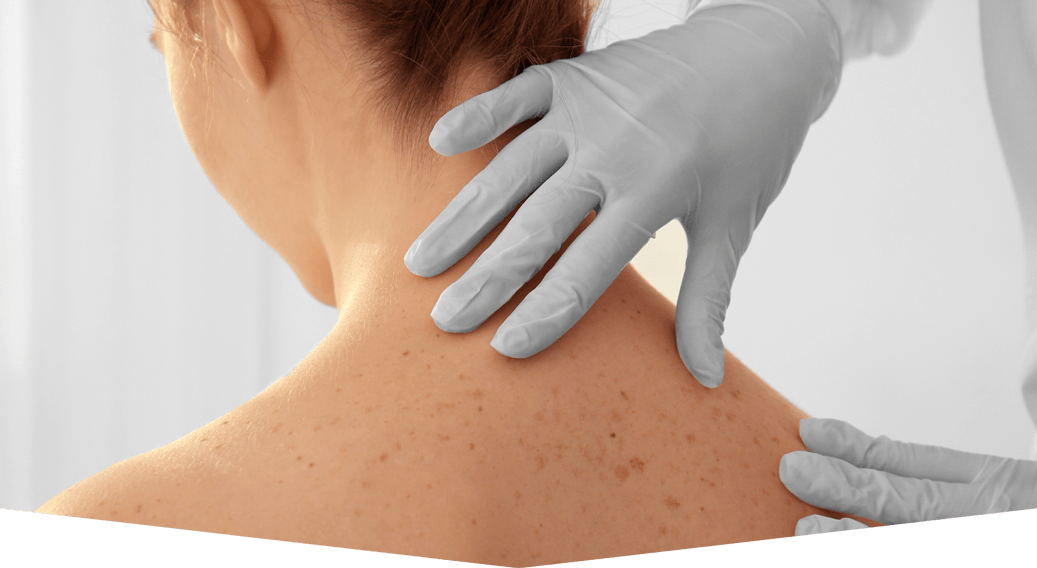
Understanding the Seriousness of Skin Cancer Skin cancer is a serious condition that affects millions of people every year. It can be caused by overexposure to UV rays, genetics, or other factors. According to the American Academy of Dermatology Association, one in five Americans will develop skin cancer at some point in their lives. The good news is that when caught early, it's highly treatable. However, if left untreated for too long, skin cancer can become life-threatening. That's why it's important to take preventative measures and visit a dermatologist regularly. What are the Signs to Look For? There are several signs you should look out for when examining your skin: - A mole or freckle that changes color or size - A sore that doesn't heal after two weeks - A spot on your skin that feels rough or scaly - Redness or swelling around a mole If you notice any of these symptoms, make an appointment with a dermatologist immediately. Why Visiting a Dermatologist Is Important Visiting a dermatologist regularly can help detect skin issues before they become more serious. They can also provide advice on how to care for your skin properly and prevent further damage. Dermatologists have specialized training and equipment to diagnose various types of skin conditions accurately. They'll perform thorough examinations and biopsies if necessary. Additionally, they'll provide personalized recommendations based on your specific needs and lifestyle habits – such as wearing sunscreen daily or avoiding certain skincare products with harsh chemicals. How Can You Benefit from Regular Dermatology Appointments? Regular visits with your dermatologist can help you: - Detect any skin cancer or pre-cancerous growths early - Learn how to care for your skin properly - Get personalized recommendations for skincare products and routines - Address any other concerns related to your skin health. Why Visiting a Dermatologist Should be a Priority Your skin is the largest organ of your body, and it deserves proper attention and care. By prioritizing regular visits with a dermatologist, you're taking an important step towards maintaining optimal health. It's essential to remember that some conditions may not show visible symptoms until they've progressed significantly. That's why visiting a dermatologist regularly is so crucial – even if you don't notice anything unusual on your skin. What Can You Expect During Your Visit? During your first visit with a dermatologist, they'll perform an initial exam to assess the overall condition of your skin. They'll ask about any relevant medical history, lifestyle habits (such as sun exposure), and family history of skin cancer. Afterward, they'll provide recommendations based on their findings and answer any questions you may have regarding treatment options or preventative measures. If you live in Orange City or the Palm Coast area and want to prioritize your skin health by visiting a reputable dermatologist, look no further than Skin Dermatology ! Our team offers top-notch services all designed to help keep your complexion healthy and glowing. Contact us today at 386-256-1969 !
Dr. Ross Wheeler, the Dermatologist in Orange City and Palm Coast? If you live in Orange City or Palm Coast, Florida, it's important to know who the best dermatologists are. After all, your skin is one of the most important parts of your body! Whether you're dealing with acne, eczema, psoriasis, or any other skin condition, you need a team of experts who can help. At Skin Derm, we're proud to be one of the premier dermatology practices in Orange City. We have a team of highly trained professionals who specialize in all aspects of skin care. From medical treatments to cosmetic procedures and everything in between, we've got you covered. Skin Derm - The Premier Dermatology Practice At Skin Derm, our goal is simple: to provide exceptional care for every patient who walks through our doors. We believe that everyone deserves healthy and beautiful skin – no matter their age. Our practice offers a wide range of services designed to address both medical and cosmetic concerns. Some of our most popular treatments include: - Acne treatment - Eczema treatment - Psoriasis treatment - Mohs surgery - Botox injections - Dermal fillers No matter what brings you into our office, we'll take the time to listen carefully to your needs and come up with a personalized treatment plan that works for you. Skin Derm's Team of Highly Trained Skin Care Specialists One thing that sets us apart from other dermatology practices is our team. Our staff includes a board-certified dermatologist as well as licensed aestheticians who are passionate about helping people look and feel their best. We use only the latest technology and techniques to ensure that our patients receive the best possible care. Whether you need a routine skin check or a more complex procedure, you can trust that you're in good hands with Skin Derm. Schedule an Appointment with Skin Derm Today If you're looking for top-notch dermatological care, look no further than Skin Derm . We offer convenient hours and flexible scheduling options to make it easy for you to get the care you need when it works best for your schedule. Don't let skin issues hold you back any longer – schedule an appointment with us today at 386-256-1969 Our team is ready to help you achieve healthy, beautiful skin that makes you feel confident and proud.