
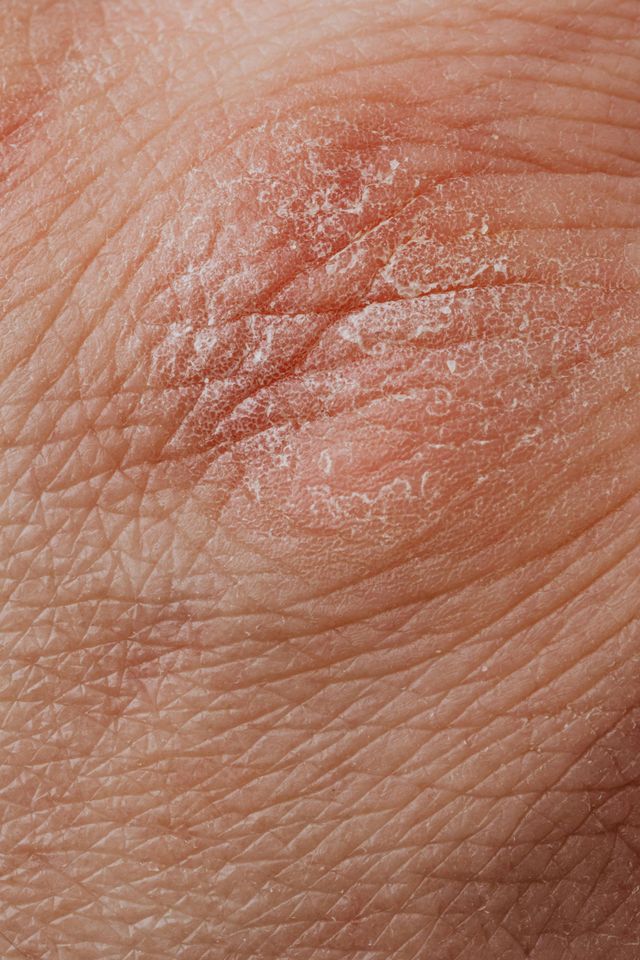
The most common form, marked by red or pink patches covered with silvery scales. It often affects the scalp, elbows, knees, hands, feet, and nails.
Medical Dermatology
Psoriasis
Personalized care for a chronic immune-related skin condition, with treatment designed around your symptoms, triggers, and lifestyle.
Psoriasis: Causes, Types, and Expert Treatment
Causes and Treatment at Skin Dermatology and Cosmetic Services
Psoriasis is a non-contagious skin disorder driven by an immune system malfunction that accelerates the production of skin cells.
When the body cannot shed old cells quickly enough, they accumulate on the skin’s surface and create visible changes. The chronic nature of psoriasis can affect comfort, confidence, and everyday activities.
Psoriasis impacts approximately 4.5 million Americans and is slightly more prevalent in women. At Skin Dermatology and Cosmetic Services, treatment is tailored to the type and severity of the condition, with the goal of controlling flare-ups and maintaining healthier skin.
Contact Us Common Forms
Understanding the Different Types of Psoriasis
Psoriasis can appear differently from one person to another. Identifying the specific form and its triggers helps your dermatologist select the most appropriate treatment approach.
Often diagnosed in children and young adults, this type may follow an infection such as strep throat and appears as small, drop-shaped lesions.
Characterized by white, pus-filled blisters surrounded by red skin. It may develop on several areas of the body, especially the hands and feet.
Appears as smooth, inflamed red patches in skin folds, including the armpits and groin.
Medical Dermatology
Explore Related Conditions
Supporting Long-Term Skin Health
How to Prevent Psoriasis Flare-Ups
Preventing psoriasis symptoms begins with understanding the triggers that affect your skin.
Working closely with a dermatologist can help you identify specific triggers, establish an effective skincare routine, and make lifestyle changes that may reduce the risk or intensity of flare-ups.
Your skin health is our primary focus, and our specialists are here to provide ongoing guidance as your needs change.
Contact Us Frequently Asked Questions
Understanding and Managing Psoriasis
Explore common questions about psoriasis, flare-up triggers, lifestyle choices, and long-term care.
Can Psoriasis Be Cured, or Is It a Lifelong Condition?
Psoriasis is classified as a chronic condition, which means there is currently no cure. However, with effective treatments and lifestyle modifications, it can be well-managed. Many individuals with psoriasis lead vibrant, fulfilling lives by finding the right strategies to control flare-ups.
How Does Weather Influence Psoriasis, and What Can I Do?
Weather can significantly affect psoriasis, with certain conditions triggering flare-ups for some individuals. Cold, dry climates can be particularly challenging for the skin. To alleviate discomfort, it’s important to moisturize regularly and adjust your skincare routine to suit changing weather conditions.
Can I Get a Tattoo or Piercing if I Have Psoriasis?
While it is generally safe to get a tattoo or piercing, extra care is necessary. Psoriasis can influence how your skin responds to these procedures, and flare-ups may complicate the healing process. It’s best to consult your dermatologist before proceeding with a tattoo or piercing.
What Impact Does Stress Have on Psoriasis, and How Can I Manage It?
Stress is a known trigger for psoriasis flare-ups. Implementing effective stress management techniques—such as exercise, meditation, or engaging in hobbies—can help mitigate symptoms. Discussing stress reduction strategies with your healthcare team, including your dermatologist, can enhance your overall control of the condition.
Is Psoriasis Contagious, and Can It Be Spread?
No, psoriasis is not contagious. You cannot “catch” it from someone else, nor can you spread it through physical contact. It is an immune system-related condition, not an infectious disease.
Personalized Psoriasis Care
Book Appointment
Ready to Find a Treatment Plan That Works for Your Skin?
Schedule an appointment with Skin Dermatology and Cosmetic Services to discuss your symptoms, triggers, and treatment options.