Cosmetic Dermatology

Chemical Peels

Professional exfoliation designed to reveal smoother, clearer, and more radiant-looking skin.

Book Appointment
Rejuvenate Your Skin

Professional Chemical Peels

Chemical peels have been used for centuries to enhance skin health and appearance.

Ancient Egyptians pioneered early peels with sour milk baths rich in lactic acid, which left their skin smoother and softer. It wasn’t until the mid-19th century that an Austrian dermatologist developed modern chemical peel techniques to treat various skin concerns.

Today’s chemical peels range in strength and are designed to create controlled exfoliation. These solutions dissolve the outermost skin cells, encouraging the regeneration of new, healthy skin. As the old skin peels away, fresh layers rise to the surface, promoting a smoother and more youthful complexion.

Performed by professionals, chemical peels are a safe and effective way to maintain glowing, healthy skin. Depending on your skin type and the strength of the peel, treatments spaced 4–6 weeks apart can yield subtle or dramatic results tailored to your specific skincare needs.

Book Appointment
Refine and Renew

Benefits of a Chemical Peel

The exfoliation process can support collagen and elastin production, soften fine lines and wrinkles, lighten dark spots, unclog pores, reduce the appearance of acne and pore size, and help leave skin clearer and more refined.

01

Smoother Texture

Removes dull surface cells to reveal a softer, more polished-looking complexion.

02

Brighter Tone

Helps lighten the look of dark spots and areas of uneven pigmentation.

03

Refined Pores

Clears congestion and can reduce the visible appearance of enlarged pores.

04

Acne Support

Certain peels help remove pore-clogging buildup and target acne-causing bacteria.

05

Softened Lines

Supports a smoother surface and softens the appearance of fine lines and wrinkles.

06

Healthy Glow

Encourages fresh skin renewal for a clearer, more luminous overall appearance.

Versatile Treatment

What Areas Can Be Treated?

While the face is the most common area treated with chemical peels, other areas of the body can benefit from this rejuvenating treatment as well.

The skin on the face differs from the skin on other parts of the body. Healing may take longer on the neck or chest, and peeling intensity can vary depending on the area and treatment type.
  • Face
  • Neck
  • Back
  • Upper Chest
  • Backs of Hands
  • Other Desired Areas
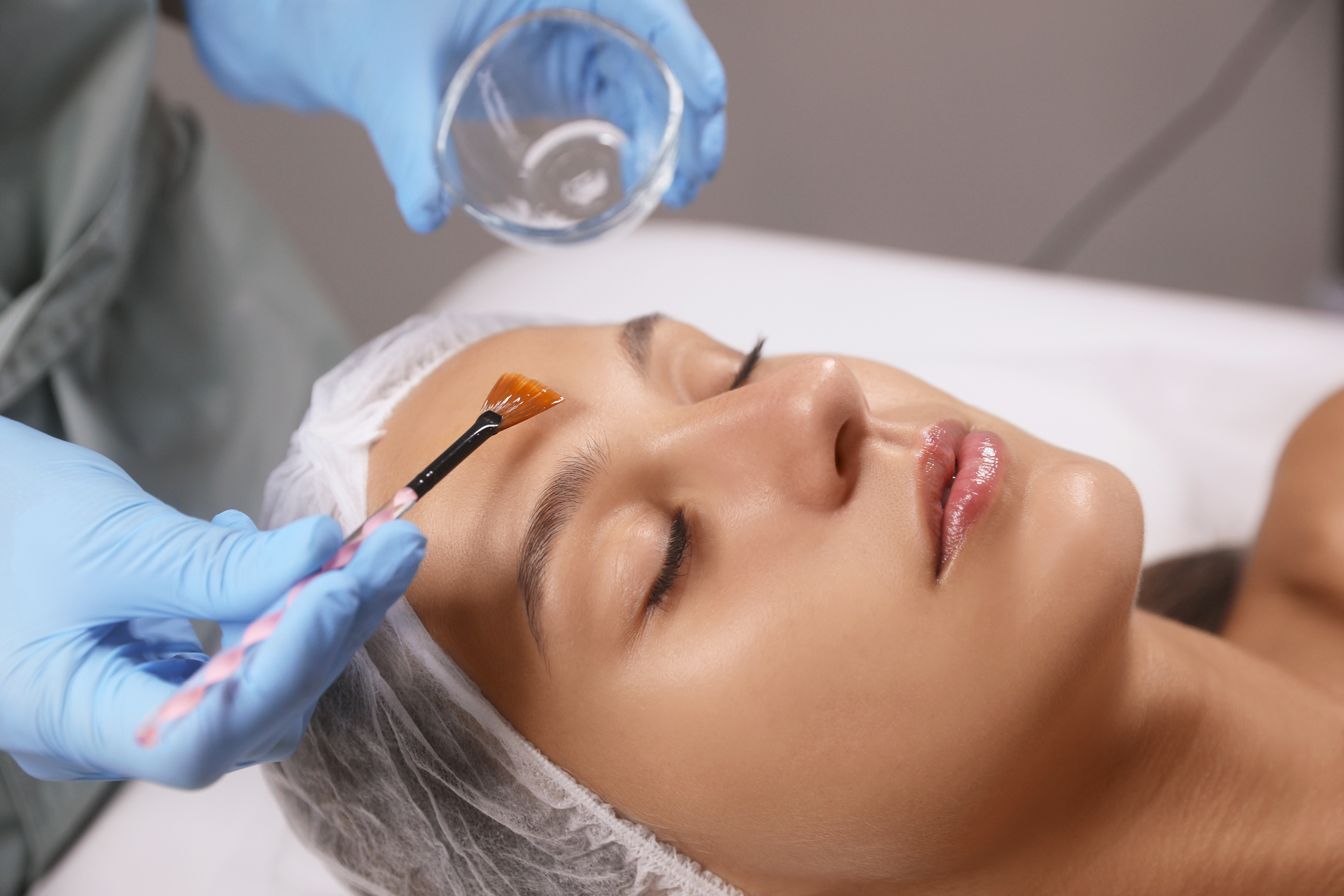
Woman receiving professional skincare treatment
After Your Treatment

What to Expect After a Chemical Peel

After your chemical peel, you may notice mild to moderate redness, which can last from a day to several days depending on the strength of the peel and your skin type. Your skin might feel more sensitive during this time, and occasional acne breakouts may occur as the skin begins to shed old cells and clear out congestion.

For patients in Orange City or Palm Coast, chemical peels offer an option for achieving smoother, more youthful-looking skin on multiple areas of the body.

Redness Mild to moderate redness may last from one day to several days.
Sensitivity Skin can feel more sensitive while the outer layers renew.
Peeling Visible peeling varies by peel strength, treatment area, and skin type.
Book Appointment
During Your Visit

What to Expect During Treatment

Before your chemical peel, we’ll assess your skin to choose the right peel and ensure there are no conditions that might prevent treatment. The treatment area will be gently cleansed and prepped. If you wear contact lenses, please remove them before your appointment.

01 · ASSESS

Skin Evaluation

Your skin is reviewed so the peel can be selected and personalized appropriately.

02 · PREP

Cleanse and Prepare

The treatment area is gently cleansed and prepared before the peel is applied.

03 · APPLY

Closely Monitored

You may feel stinging or burning while your technician monitors the skin and timing.

04 · FINISH

Soothe and Protect

The peel is neutralized or left as directed, followed by soothing serum and sunscreen.

Some peels, such as glycolic or lactic acid, require neutralization, while others, such as salicylic acid, are self-neutralizing. Avoid sun exposure for a few days after treatment. The entire process takes approximately 45–50 minutes.

Frequently Asked Questions

Chemical Peel FAQs

Learn more about complementary treatments, candidacy, treatment frequency, peeling, and result longevity.

What Treatments Complement Chemical Peels?

Chemical peels are even more effective when combined or alternated with other skin treatments, such as:

  • Facials
  • Microdermabrasion
  • Dermaplaning
  • Laser treatments like Laser Genesis
  • IPL Photofacial
  • SkinPen microneedling

They can also be part of a comprehensive rejuvenation plan alongside injectables like Botox or Dysport, and fillers such as Juvéderm or Restylane. At Skin Dermatology and Cosmetic Services, we can help craft a personalized treatment plan to enhance your skin’s radiance.

Who Benefits from Chemical Peels?

Both men and women looking to rejuvenate their skin can benefit from chemical peels, which are safe for all skin types. These treatments are ideal for addressing issues like aging, melasma, acne, dullness, and enlarged pores. With a series of treatments, glowing and healthier skin can be achieved.

Who Should Avoid Chemical Peels?

Chemical peels aren’t recommended for those who are pregnant or nursing, or for individuals with extremely sensitive or thin skin due to medications or aging. If you’ve taken isotretinoin (Accutane) in the past 12 months, inform your technician, as this can affect your skin’s healing. Those prone to cold sores should take antiviral medication before treatment.

How Many Treatments Will I Need?

Initially, peels may be done every 2–4 weeks, depending on the peel. Most patients opt for regular maintenance treatments every 4–6 weeks. Your technician will help determine the best course of treatment for your skin type and goals.

How Much Peeling Should I Expect?

Peeling varies based on the type of peel and your skin type. Individuals with drier skin may experience more visible peeling, while oilier skin types may peel less. In some cases, peeling is minimal or microscopic. Even if you don’t see noticeable peeling, the treatment is still working beneath the surface.

How Long Do Results Last?

Results typically last 1–3 months, but this can vary. Since chemical peels remove the outermost skin layers, ongoing treatments are recommended to maintain results. For lasting effects, daily sun protection and medical-grade skincare products are essential. At Skin Dermatology and Cosmetic Services, we can guide you to the best regimen for maintaining your skin’s health and glow.

Personalized Skin Renewal

Discover the Right Peel for Your Skin

Schedule a consultation in Orange City or Palm Coast to discuss your skin type, concerns, treatment strength, and ideal maintenance plan.

Online Booking

Book Your Chemical Peel

Choose a convenient appointment time below. Your provider will evaluate your skin and recommend a peel strength and treatment plan suited to your concerns and goals.

Chemical Peels