
Hot drinks, spicy foods, hot baths, showers, extreme temperatures, and hot weather may trigger redness or flushing.
Medical Dermatology
Rosacea
Understanding and managing a chronic skin condition with personalized care designed to reduce redness, discomfort, and visible flare-ups.
Rosacea: Understanding and Managing a Chronic Skin Condition
Expert Guidance for Persistent Facial Redness and Flushing
Rosacea is a common skin disorder that can cause persistent facial redness, flushing, enlarged blood vessels, and small pus-filled bumps.
Because it may resemble acne or other skin conditions, professional evaluation is important. Rosacea can cause discomfort, affect self-esteem, and interfere with daily life when symptoms remain uncontrolled.
If you experience ongoing symptoms on your face or around your eyes, the team at Skin Dermatology and Cosmetic Services can help you understand your condition and develop a care plan for healthier, more comfortable skin.
Contact Us Common Triggers
What Can Cause Rosacea Flare-Ups?
Rosacea triggers vary from person to person. Recognizing the situations, products, or habits that affect your skin is an important part of long-term symptom management.
Sun exposure and windy conditions can irritate sensitive skin and contribute to visible flare-ups.
Emotional stress, anxiety, and intense exercise may increase facial warmth, flushing, or redness.
Red wine, other alcoholic beverages, and medications that dilate blood vessels—including some blood pressure drugs—may contribute to symptoms.
Harsh soaps and certain cosmetic, skin, or hair care products can irritate rosacea-prone skin.
Medical Dermatology
Explore Related Conditions
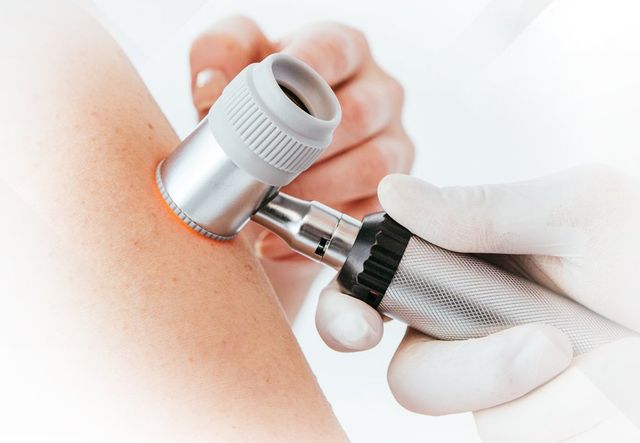
Skin Dermatology Can Help
Personalized Care for Rosacea Symptoms
Rosacea often begins after age 30 with redness on the nose, chin, cheeks, forehead, or a combination of these areas.
Some people also develop symptoms on the chest, scalp, or ears, along with irritation and redness around the eyes. Symptoms may come and go, but they can worsen over time without appropriate care and may lead to bumps or swollen tissue.
There is no single treatment that works for everyone. Our team helps identify a plan tailored to your skin’s needs to improve comfort, reduce visible signs, and help prevent symptom progression.
Contact Us Frequently Asked Questions
Understanding and Managing Rosacea
Explore common questions about flare-up triggers, makeup, sun protection, and long-term rosacea care.
How Can I Manage Flare-ups and Triggers of Rosacea?
Recognizing and avoiding common triggers, such as spicy foods, alcohol, and extreme temperatures, is key to managing flare-ups. Establishing a gentle skincare routine with mild cleansers and moisturizers can also help soothe your skin.
Can I Wear Makeup with Rosacea, or Will It Worsen the Condition?
You can wear makeup if you have rosacea, but it is important to select products formulated for sensitive skin. Mineral-based or hypoallergenic cosmetics are often ideal choices. Consult a dermatologist for personalized product recommendations.
Is Sunscreen Important for Rosacea, and Which Type Should I Use?
Yes, sunscreen is essential for rosacea-prone skin. Choose a broad-spectrum sunscreen with SPF 30 or higher and apply it daily. Consistent sun protection can help prevent flare-ups caused by sun exposure.
Can Rosacea Be Cured, or Will I Have It Forever?
Rosacea is a chronic condition, but its symptoms can often be managed effectively with the right treatment and lifestyle adjustments. Working with a dermatologist to create a tailored care plan is important for controlling symptoms over time.
Personalized Rosacea Care
Book Appointment
Ready to Reduce Flare-Ups and Feel More Comfortable in Your Skin?
Schedule an appointment with Skin Dermatology and Cosmetic Services to discuss your symptoms, triggers, and treatment options.