What Is the SRT-100 Vision®? A Non-Surgical Option for Treating Skin Cancer
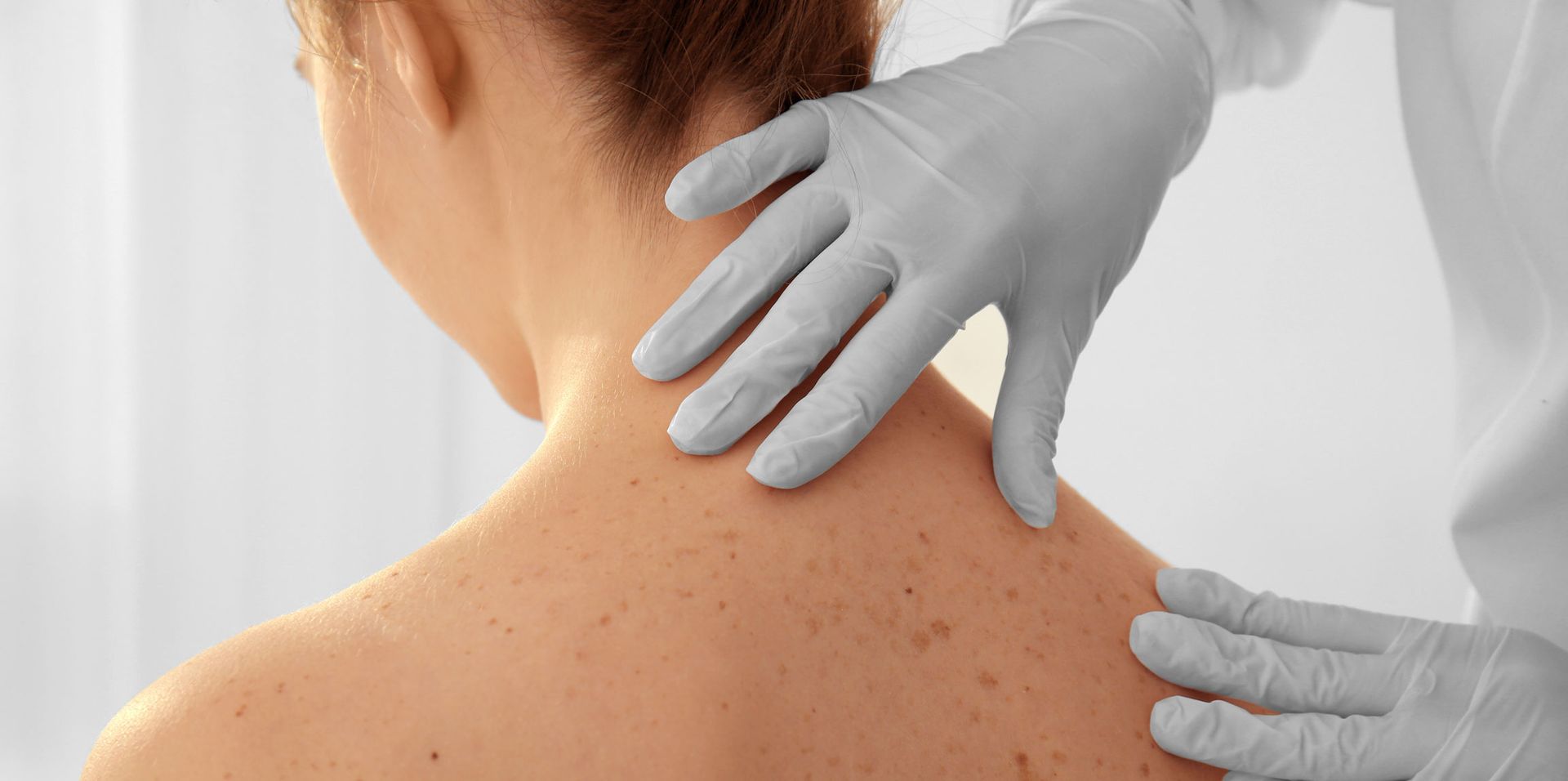
A skin cancer diagnosis can leave you with many questions, especially when it comes to choosing the right treatment. While surgery is often the standard approach for many skin cancers, it isn't the best option for everyone. Some patients may have medical conditions that make surgery more difficult, while others are concerned about scarring or treating cancers in highly visible areas such as the face.
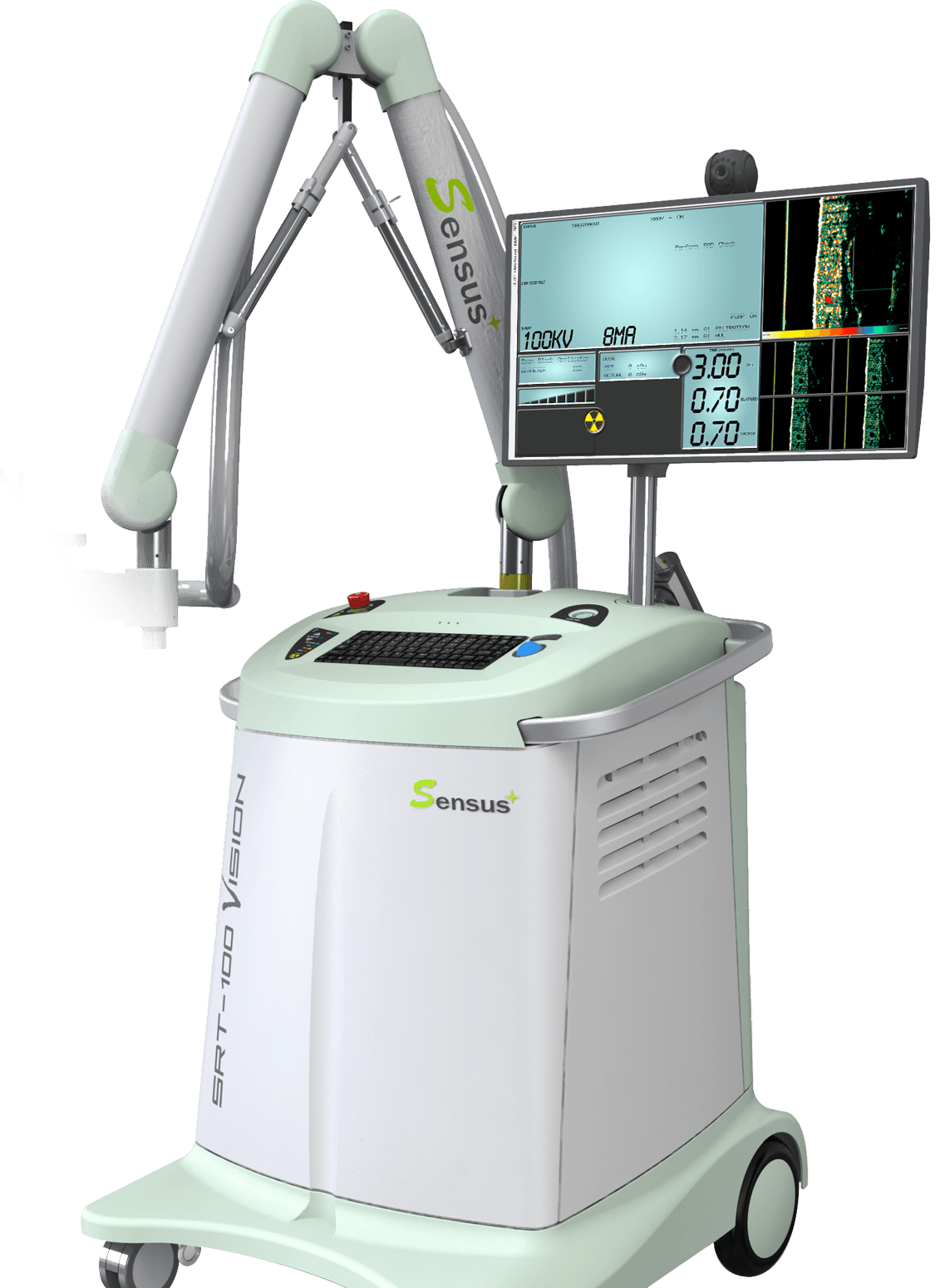
One treatment option that has gained attention in recent years is the SRT-100 Vision®, an advanced form of superficial radiation therapy designed to treat certain non-melanoma skin cancers without surgery. If you're exploring your treatment options, understanding how the SRT-100 Vision works, who may benefit from it, and what to expect during treatment can help you make a more informed decision.
What Is the SRT-100 Vision®?
The SRT-100 Vision is a specialized superficial radiation therapy (SRT) system used to treat certain types of non-melanoma skin cancer. It delivers low-energy X-rays that target cancer cells near the surface of the skin while minimizing exposure to the healthy tissue underneath. Unlike traditional radiation therapy used to treat cancers deeper in the body, superficial radiation therapy is designed specifically for skin conditions located close to the skin's surface.One of the unique features of the SRT-100 Vision is its use of high-frequency ultrasound imaging. This technology allows providers to visualize the skin lesion before, during, and after treatment, helping guide treatment planning and monitor the response over time.
What Conditions Can the SRT-100 Vision Treat?
The SRT-100 Vision is commonly used to treat certain non-melanoma skin cancers, including:
- Basal cell carcinoma (BCC)
- Squamous cell carcinoma (SCC)
- Squamous cell carcinoma in situ (Bowen's disease)
Your Dermatologist will determine whether your skin cancer is an appropriate candidate based on its type, size, location, and depth. It's important to note that melanoma is generally not treated with superficial radiation therapy. Melanoma typically requires a different treatment approach, often involving surgical excision and, in some cases, additional therapies.
How Does the SRT-100 Vision Work?
The SRT-100 Vision delivers carefully controlled, low-dose radiation directly to the affected area. Radiation damages the DNA inside cancer cells, preventing them from continuing to grow and divide. Over time, the body naturally removes these damaged cells, allowing healthy tissue to heal. Because the radiation penetrates only a short distance beneath the skin, surrounding healthy tissue receives much less exposure than it would with deeper forms of radiation therapy. The addition of ultrasound imaging helps your provider measure the depth of the lesion and monitor treatment progress throughout your care.
Who May Be a Good Candidate?
The SRT-100 Vision may be an excellent option for patients who:
- Have basal cell carcinoma or squamous cell carcinoma
- Prefer to avoid surgery
- Are not good surgical candidates because of certain medical conditions
- Have skin cancers in cosmetically sensitive areas such as the nose, ears, eyelids, lips, or scalp
- Are concerned about surgical scars
- Have multiple skin cancers requiring treatment
Every patient's situation is unique, and your Dermatologist will determine whether superficial radiation therapy is appropriate for your specific diagnosis.
What Are the Benefits of the SRT-100 Vision?
One of the reasons many patients are interested in the SRT-100 Vision is that it offers several potential advantages over surgery in selected cases.
Non-Surgical Treatment - The SRT-100 Vision does not require incisions, stitches, or skin grafts. For patients who wish to avoid surgery or cannot safely undergo an operation, this may provide an effective alternative.
Excellent Cosmetic Outcomes - Because no tissue is surgically removed, many patients experience excellent cosmetic results after treatment. This can be particularly beneficial when treating skin cancers on highly visible areas of the face.
No General Anesthesia - Treatment does not require general anesthesia or sedation. Most patients remain awake and comfortable throughout each session.
Minimal Downtime - Most people are able to return to their normal daily activities immediately after each appointment. There is typically no prolonged recovery period associated with treatment.
Image-Guided Precision - The built-in ultrasound imaging helps providers evaluate the lesion and tailor treatment based on its size and depth, allowing for a more personalized approach.
What Happens During Treatment?
Before treatment begins, your Dermatologist will examine the skin cancer and may use ultrasound imaging to evaluate the lesion. Each treatment session is relatively short.
During your appointment:
- The treatment area is positioned beneath the device.
- The machine delivers low-energy radiation directly to the lesion.
- You should not feel pain during the treatment itself.
- Once the session is complete, you can usually resume your normal activities.
Unlike surgery, there are no stitches to care for and no surgical wound to heal.
How Many Treatments Are Needed?
Superficial radiation therapy is not completed in a single visit. Most patients receive a series of treatments over several weeks.
The exact number of sessions depends on factors such as:
- The type of skin cancer
- The size of the lesion
- The depth of the lesion
- Its location
- Your individualized treatment plan
Your provider will explain your recommended treatment schedule before therapy begins.
Are There Side Effects?
Like any medical treatment, superficial radiation therapy can cause side effects.
Most reactions are limited to the treated area and may include:
- Mild redness
- Dryness
- Skin irritation
- Peeling
- Temporary darkening or lightening of the skin
These reactions often improve after treatment is completed. Your Dermatologist will provide instructions for caring for the treated area throughout your treatment course.
How Effective Is the SRT-100 Vision?
Clinical studies have shown that superficial radiation therapy can be highly effective for appropriately selected cases of basal cell carcinoma and squamous cell carcinoma. Success depends on selecting the right patients and ensuring careful follow-up after treatment. Even after successful treatment, regular skin examinations remain important because individuals who have had one skin cancer have a higher risk of developing additional skin cancers in the future.
Is Surgery Still the Best Option?
For many patients, surgical removal—particularly Mohs surgery—remains the preferred treatment for certain skin cancers because it allows the cancer to be removed and examined immediately. However, surgery is not the best choice for every patient. Factors such as age, medical history, cancer location, cosmetic concerns, and personal preferences all play a role in determining the most appropriate treatment. Your Dermatologist can discuss the benefits and limitations of surgery, superficial radiation therapy, and other available treatments to help you make an informed decision.
The SRT-100 Vision represents an innovative, non-surgical approach to treating certain types of non-melanoma skin cancer. By combining superficial radiation therapy with advanced ultrasound imaging, it allows providers to deliver precise treatment while preserving surrounding healthy tissue. For patients who are not candidates for surgery—or who simply prefer a non-invasive option—the SRT-100 Vision may offer an effective treatment with minimal downtime and excellent cosmetic results. If you've been diagnosed with basal cell carcinoma or squamous cell carcinoma, call Skin Dermatology and Cosmetic Services at 386-256-1969 and schedule a consultation to see whether the SRT-100 Vision is an appropriate option for your individual needs. Together, you can develop a treatment plan that prioritizes both your health and your quality of life!
Latest Blog Posts